
Actinic Keratosis: Preventing Skin Cancer with Advanced, Patient-Centered Care
Apr 01, 2026
Actinic keratosis (AK) is one of the most common precancerous skin conditions seen in dermatology today—and one of the most important to treat early. At the Dermatology Office of Dr. Ellen Turner, we focus on identifying and treating these lesions using a variety of advanced, evidence-based approaches to help prevent progression to skin cancer while maintaining excellent cosmetic outcomes.
What Is Actinic Keratosis?
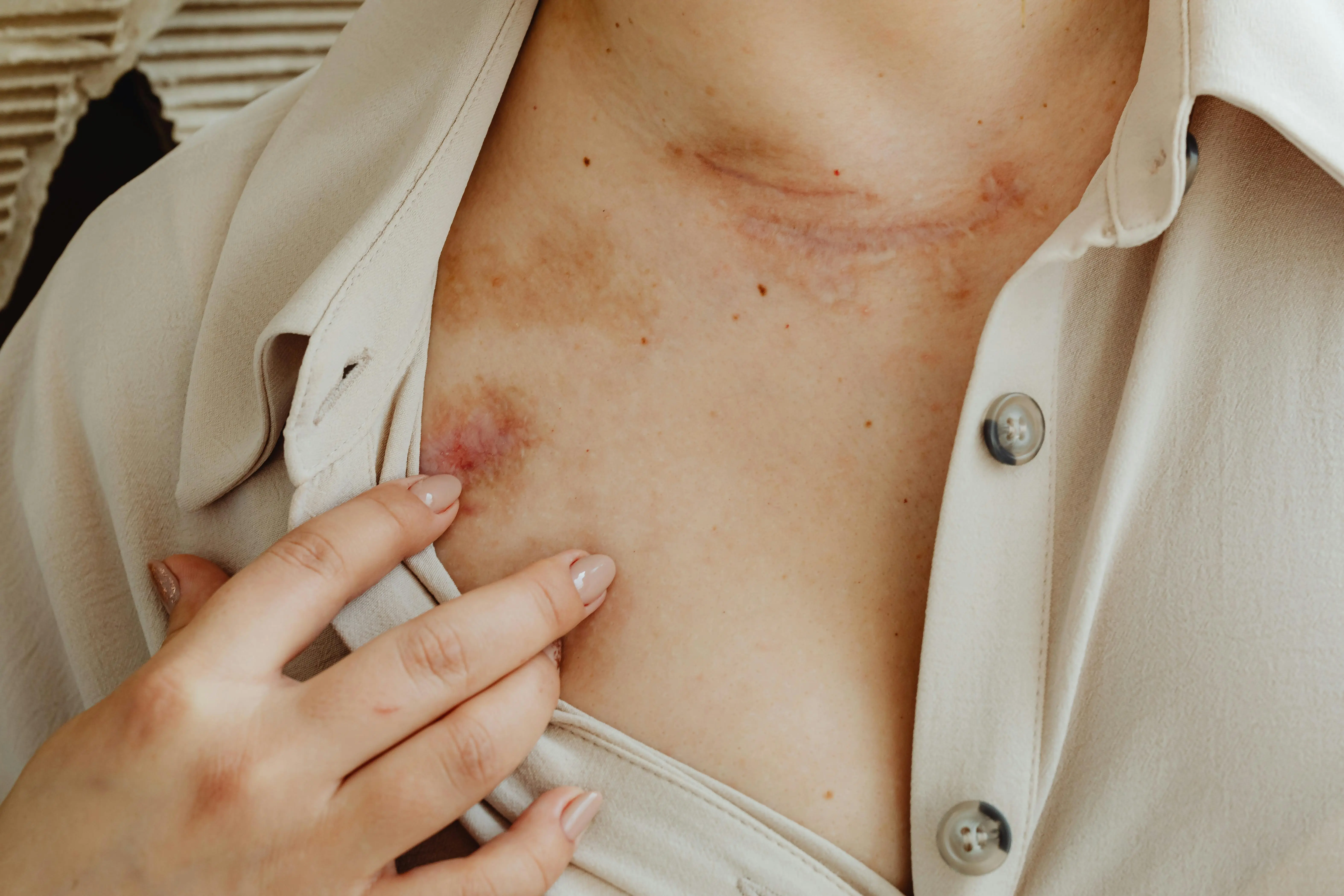
Actinic keratoses are rough, scaly patches that develop on sun-exposed areas of the skin such as the face, scalp, ears, and hands. They are caused by cumulative ultraviolet (UV) damage over time.
While they may seem harmless at first, actinic keratoses are considered precancerous lesions. A percentage can evolve into squamous cell carcinoma, a common type of skin cancer, making early detection and treatment essential.
Because it is impossible to predict which lesions will progress, dermatologists recommend treating all actinic keratoses proactively.
Why Treatment Matters
Actinic keratosis is more than a cosmetic concern—it is a warning sign of underlying sun damage and an increased risk for skin cancer. Treating AKs not only improves the appearance of the skin but significantly reduces the likelihood of cancer development.
At our practice, we tailor treatment plans based on the number of lesions, their location, and each patient’s lifestyle and goals.
Treatment Options We Offer
Modern dermatology provides a wide range of effective therapies for actinic keratosis. Often, a combination approach delivers the best results.
Cryotherapy (Freezing Treatment)
Cryotherapy is one of the most common and effective treatments for individual lesions. Liquid nitrogen is applied to freeze and destroy abnormal cells, allowing healthy skin to regenerate. ()
- Quick, in-office procedure
- Ideal for isolated lesions
- Minimal downtime
Topical Prescription Creams
For patients with multiple or widespread lesions, topical medications are an excellent option. These include agents such as 5-fluorouracil, imiquimod, and diclofenac. ()
- Treat both visible and “invisible” precancerous cells
- Applied at home over several weeks
- May cause temporary redness or irritation as they work
Chemical Peels
Chemical peels use specialized solutions to remove damaged outer layers of skin, allowing new, healthier skin to emerge.
- Effective for field treatment (larger areas)
- Improves overall skin tone and texture
- Helps address widespread sun damage
Photodynamic Therapy (PDT)
Photodynamic therapy is a highly effective, non-invasive treatment for widespread actinic damage. A light-sensitizing agent is applied to the skin and then activated with a specific light source to selectively destroy abnormal cells.
- Treats large areas in a single session
- Excellent cosmetic results
- Targets damaged cells while sparing healthy tissue
Preventing Skin Cancer: Our Primary Goal
All of these therapies share a common goal: preventing the progression of actinic keratosis into skin cancer. By addressing both visible lesions and underlying sun damage, we help reduce long-term risk while restoring healthier skin.
Advanced, Non-Surgical Skin Cancer Treatment
For patients diagnosed with certain types of skin cancer, we also offer advanced treatment options beyond traditional surgery.
One of the most innovative technologies available at the Dermatology Office of Dr. Ellen Turner is Sensus Superficial Radiation Therapy (SRT).
- Non-invasive
- Non-surgical
- Non-scarring
SRT uses low-dose radiation to precisely target cancerous cells without cutting the skin. This makes it an excellent option for patients seeking effective treatment with minimal discomfort and superior cosmetic outcomes.
Healthier Skin, Happier Patients
At the Dermatology Office of Dr. Ellen Turner, our philosophy is simple: treat early, treat effectively, and prioritize patient comfort and results. Whether addressing precancerous actinic keratoses or managing skin cancer with advanced technologies like SRT, our goal is to keep your skin healthy—without unnecessary pain or downtime.
If you notice rough, scaly spots or changes in your skin, don’t wait. Early evaluation and treatment can make all the difference.

Schedule your skin evaluation today at the Dermatology Office and take the first step toward healthier, cancer-free skin. www.dermofficedallas.com. 214-373-7546
Stay connected with news and updates!
Join our mailing list to receive the latest news and updates from our team.
Don't worry, your information will not be shared.
We hate SPAM. We will never sell your information, for any reason.
