
Managing Oily Skin and Hyperpigmentation: A Dermatologist’s Guide to Clearer, More Even-Toned Skin
Jun 07, 2026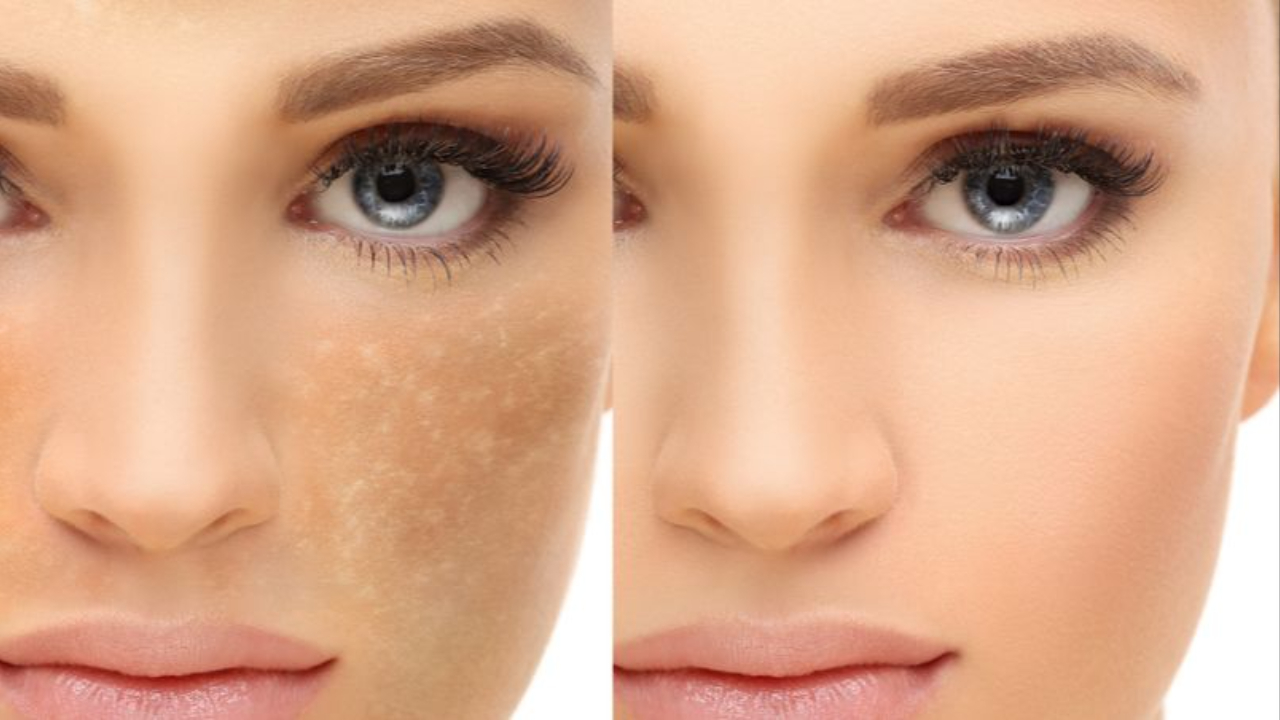
Oily skin and hyperpigmentation are two of the most common concerns we see in our dermatology practice. While they can occur independently, they often go hand in hand—especially when acne breakouts leave behind dark spots that linger long after the blemish has healed.
The good news is that with the right skincare regimen, sun protection, and professional treatments, both oiliness and hyperpigmentation can be effectively managed. At The Dermatology Office, we help patients develop customized treatment plans that address the root causes of these concerns and restore healthier, more radiant skin.

Understanding Oily Skin
Oily skin occurs when the sebaceous glands produce excess sebum. While sebum plays an important role in protecting and hydrating the skin, too much can contribute to clogged pores, acne breakouts, enlarged pores, and an unwanted shine.
Common factors that contribute to oily skin include:
- Genetics
- Hormonal fluctuations
- Stress
- Humidity and climate
- Using overly harsh skincare products that strip the skin
Many patients mistakenly believe that drying out the skin will reduce oil production. In reality, excessive cleansing or harsh products can trigger the skin to produce even more oil as a compensatory response.
Understanding Hyperpigmentation
Hyperpigmentation refers to areas of skin that become darker than the surrounding skin due to excess melanin production. Common types include:
Post-Inflammatory Hyperpigmentation (PIH)
This occurs after inflammation from acne, eczema, or skin injury. It is particularly common in individuals with medium to darker skin tones.
Melasma
Melasma often appears as symmetrical brown patches on the cheeks, forehead, upper lip, and jawline. Hormonal influences and sun exposure are major contributors.
Sun-Induced Pigmentation
Years of cumulative sun exposure can lead to sunspots and uneven skin tone.
The Importance of Daily Sun Protection
One of the most effective ways to prevent and improve hyperpigmentation is consistent daily sunscreen use.
At The Dermatology Office, we frequently recommend physical (mineral) block sunscreens containing zinc oxide and/or titanium dioxide. Unlike chemical sunscreens, physical blockers sit on the skin's surface and reflect UV radiation, making them an excellent option for sensitive skin and patients prone to pigmentation disorders.
Benefits of physical block SPF include:
- Broad-spectrum UVA and UVB protection
- Reduced risk of worsening hyperpigmentation
- Gentle formulation for sensitive or acne-prone skin
- Immediate protection upon application
For optimal protection, choose an SPF 30 or higher and reapply every two hours when outdoors.
Effective At-Home Treatments
A consistent skincare routine can significantly improve both oil production and pigmentation concerns.
Key ingredients we often recommend include:
Retinoids
Prescription retinoids help regulate cell turnover, reduce clogged pores, improve acne, and gradually fade discoloration.
Vitamin C
This powerful antioxidant helps brighten the complexion and protect against environmental damage that contributes to uneven pigmentation.
Niacinamide
Niacinamide helps regulate oil production while also reducing inflammation and improving skin tone.
Azelaic Acid
Azelaic acid is particularly beneficial because it can help treat acne, reduce redness, and improve post-inflammatory hyperpigmentation.
Salicylic Acid
This beta-hydroxy acid penetrates into pores to help reduce oil buildup and prevent breakouts.
In-Office Procedures for Oily Skin and Hyperpigmentation
While topical treatments can be highly effective, many patients achieve faster and more dramatic results with professional procedures.
Chemical Peels
Customized chemical peels can help exfoliate damaged skin cells, improve pigmentation, reduce acne breakouts, and create a more even skin tone.
Laser Treatments
Laser therapies can target excess pigment while stimulating collagen production and improving overall skin texture. Treatment selection depends on skin type, pigmentation pattern, and individual goals.
Intense Pulsed Light (IPL)
IPL treatments can effectively address sun-induced pigmentation and redness in appropriately selected patients.
Microneedling
Microneedling stimulates the skin's natural healing process, helping improve texture, acne scarring, and certain forms of hyperpigmentation.
Medical-Grade Facials and Acne Procedures
For patients struggling with persistent oiliness and acne, professional extractions and customized treatment protocols can help reduce congestion and improve skin clarity.
A Personalized Approach Matters
No two patients have the same skin. Factors such as skin type, ethnicity, hormonal influences, lifestyle, and medical history all affect treatment recommendations.
At The Dermatology Office, Dr. Ellen Turner works closely with each patient to develop a personalized treatment plan that combines evidence-based skincare, sun protection, and advanced in-office procedures to address both oily skin and hyperpigmentation safely and effectively.
If you are frustrated by persistent shine, acne breakouts, dark spots, or uneven skin tone, schedule a consultation to learn which treatment options may be right for you.
Schedule Your Consultation
Clearer, healthier-looking skin starts with a customized approach. Contact The Dermatology Office to schedule an evaluation with Dr. Ellen Turner and discover the most effective solutions for managing oily skin and hyperpigmentation.
Stay connected with news and updates!
Join our mailing list to receive the latest news and updates from our team.
Don't worry, your information will not be shared.
We hate SPAM. We will never sell your information, for any reason.
