
The Safety of Accutane for Acne Patients: What You Need to Know
Mar 28, 2026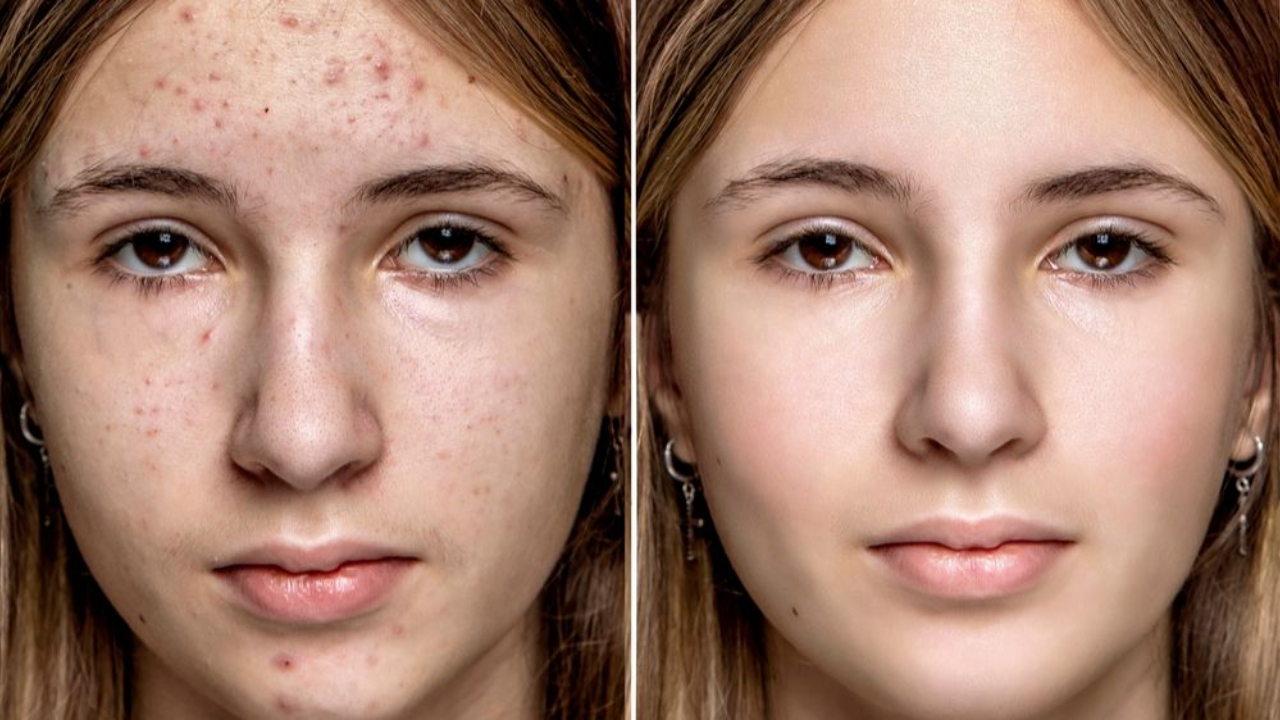
Severe acne can be physically uncomfortable and emotionally distressing. For many patients who do not respond to traditional treatments like topical creams or oral antibiotics, Accutane—the brand name for the medication isotretinoin—can be a life-changing option. Dr. Ellen Turner can help. While Accutane is highly effective, it is also one of the most carefully monitored acne treatments due to its potential side effects. Understanding its safety profile helps patients make informed decisions with their healthcare providers.
What Is Accutane?
Accutane is the original brand name for isotretinoin, a powerful oral medication derived from vitamin A. Dermatologists such as Dr. Turner prescribe it primarily for severe, nodular, or treatment-resistant acne. It works by targeting several underlying causes of acne at once:
- Reducing oil (sebum) production in the skin
- Preventing clogged pores
- Decreasing acne-causing bacteria
- Reducing inflammation
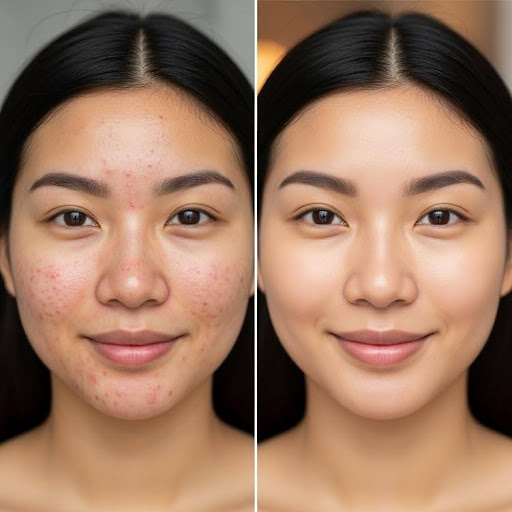
Because it addresses multiple acne mechanisms simultaneously, isotretinoin is often considered the most effective treatment for severe acne, with many patients experiencing long-term remission after a single course.
How Effective Is Accutane?
Clinical studies show that approximately 80–90% of patients experience significant or complete clearing of acne after completing a typical course of treatment, which usually lasts 4–6 months. For many individuals, the improvement is long-lasting and may prevent permanent acne scarring.
Because of this high success rate, dermatologists often recommend isotretinoin for patients who have:
- Severe cystic or nodular acne
- Acne causing scarring
- Acne that has not responded to other treatments
Common Side Effects
Most side effects associated with Accutane are predictable and manageable. The most common ones are related to the medication’s drying effect on the body. These may include:
- Dry lips and skin
- Dry eyes
- Nosebleeds from dry nasal passages
- Increased sensitivity to sunlight
These effects are usually mild and can often be controlled with moisturizers, lip balms, artificial tears, and sunscreen.
Some patients also experience muscle or joint discomfort, especially those who exercise frequently. This side effect is typically temporary and resolves after treatment.
Serious Safety Considerations
Although most side effects are manageable, Accutane does have several important safety considerations.
Pregnancy Risk
The most significant risk associated with isotretinoin is severe birth defects if taken during pregnancy. Because of this, strict pregnancy prevention programs exist in many countries. In the United States, patients must enroll in the iPLEDGE program, which requires pregnancy testing and confirmation of contraception before and during treatment.

Liver and Cholesterol Monitoring
Isotretinoin can affect liver enzymes and cholesterol levels in some patients. Dermatologists address this by performing routine blood tests during treatment. In most cases, any changes are mild and reversible after the medication is stopped.
Mood and Mental Health
There has been ongoing discussion about possible links between isotretinoin and depression or mood changes. Current research has not established a clear causal relationship. In fact, many patients report improved mood as their acne clears. Nevertheless, physicians monitor mental health symptoms carefully during treatment.
Monitoring Makes Treatment Safer
One reason Accutane remains a trusted treatment is that it is prescribed under close medical supervision. Typical safety monitoring includes:
- Regular dermatology visits
- Periodic blood tests
- Pregnancy testing when applicable
- Review of side effects and symptoms
This monitoring helps ensure that any potential concerns are identified early and managed appropriately.
Who Should Consider Accutane?
Accutane is generally recommended for patients with:
- Severe cystic acne
- Acne that causes scarring
- Persistent acne that has not responded to antibiotics or topical treatments
For these patients, the benefits often greatly outweigh the risks, especially when treatment is supervised by a board-certified dermatologist such as Dr. Ellen Turner in her Dallas or Irving/Las Colinas locations.
The Bottom Line
Accutane is one of the most effective treatments available for severe acne, and for many patients it can provide long-term or permanent improvement. While the medication does carry potential side effects, modern monitoring protocols and physician oversight have made it a safe and well-managed option for appropriate candidates.
Patients considering Accutane should discuss their medical history, lifestyle, and treatment goals with a qualified dermatologist. With proper guidance and monitoring, isotretinoin can offer not only clearer skin but also improved confidence and quality of life.
To book an appointment with Dr. Ellen Turner to learn more about Accutane, please call the Dermatology Office at 214-373-7546 or book on-line at www.dermofficedallas.com.
Stay connected with news and updates!
Join our mailing list to receive the latest news and updates from our team.
Don't worry, your information will not be shared.
We hate SPAM. We will never sell your information, for any reason.
